
Someone has to be responsible for time.
This is our responsibility.
Discover how we got here below
Intelligence shapes attention, risk, and trust.
This timeline traces how AI evolved from small everyday helpers to quiet, dependable systems that fade in the background.
Interfaces reflect how much strain we expect humans to carry.
This timeline shows how screens evolved from survival tools to calm systems.
Words shape trust, stress, and authority.
This timeline traces how system language moved from cold instructions to human-centered clarity.
How work actually moves matters more than where it’s stored.
This timeline shows the shift from fragmented reporting to coordinated, context-aware systems.
Demonstration Notice
All interface visuals shown here are illustrative and generated for educational purposes.
Only CortexForge solution demonstrations represent live, working systems.
Explore the CortexForge Universe
Minds Behind CortexForge


1998-2005
Small Helpers
Computers Start Assisting
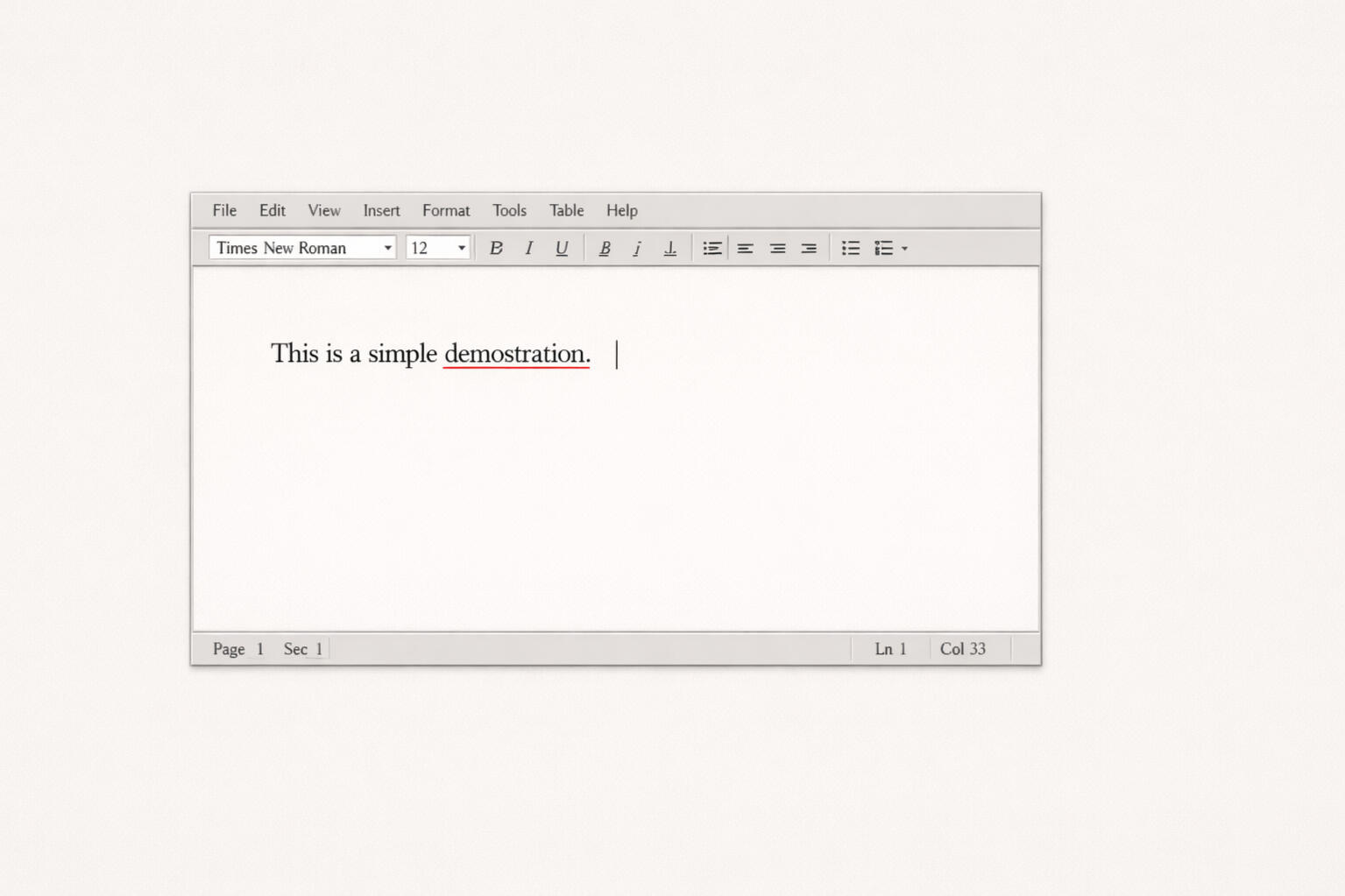
Spellcheck underlined mistakes.
Autocorrect fixed words as you typed.It wasn’t smart — just helpful.Why this era matters:
It showed that people like technology when it quietly helps them.
1998-2005
2006-2012
Pattern Spotting
Software Notices Habits
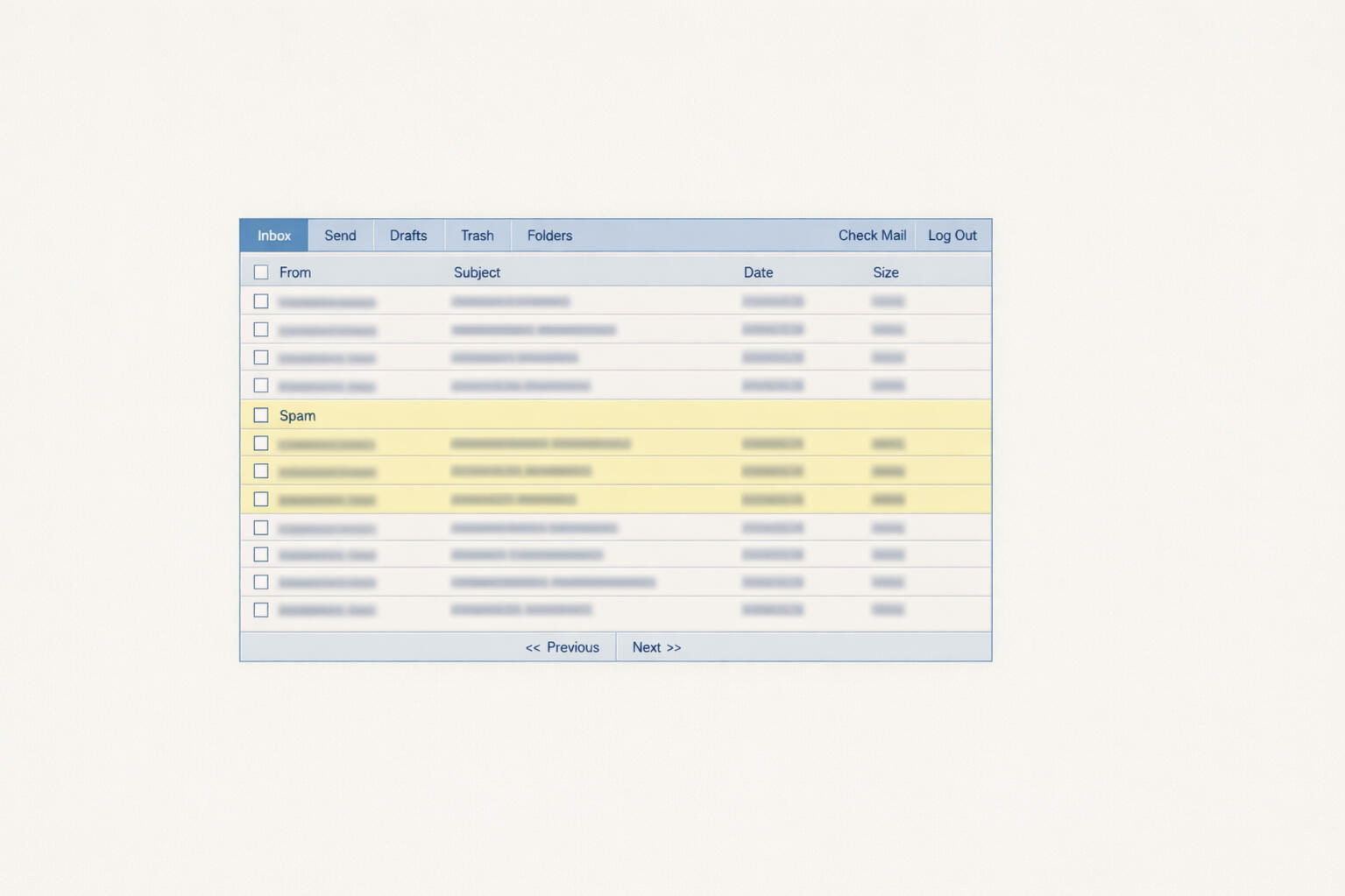
Email learned what spam looked like.
Search results improved based on clicks.The system didn’t understand you —
but it noticed patterns.Why this era matters:
It proved computers could learn simple behaviors from use.
2006-2012
2013-2016
Rules and Automation
If This, Then That
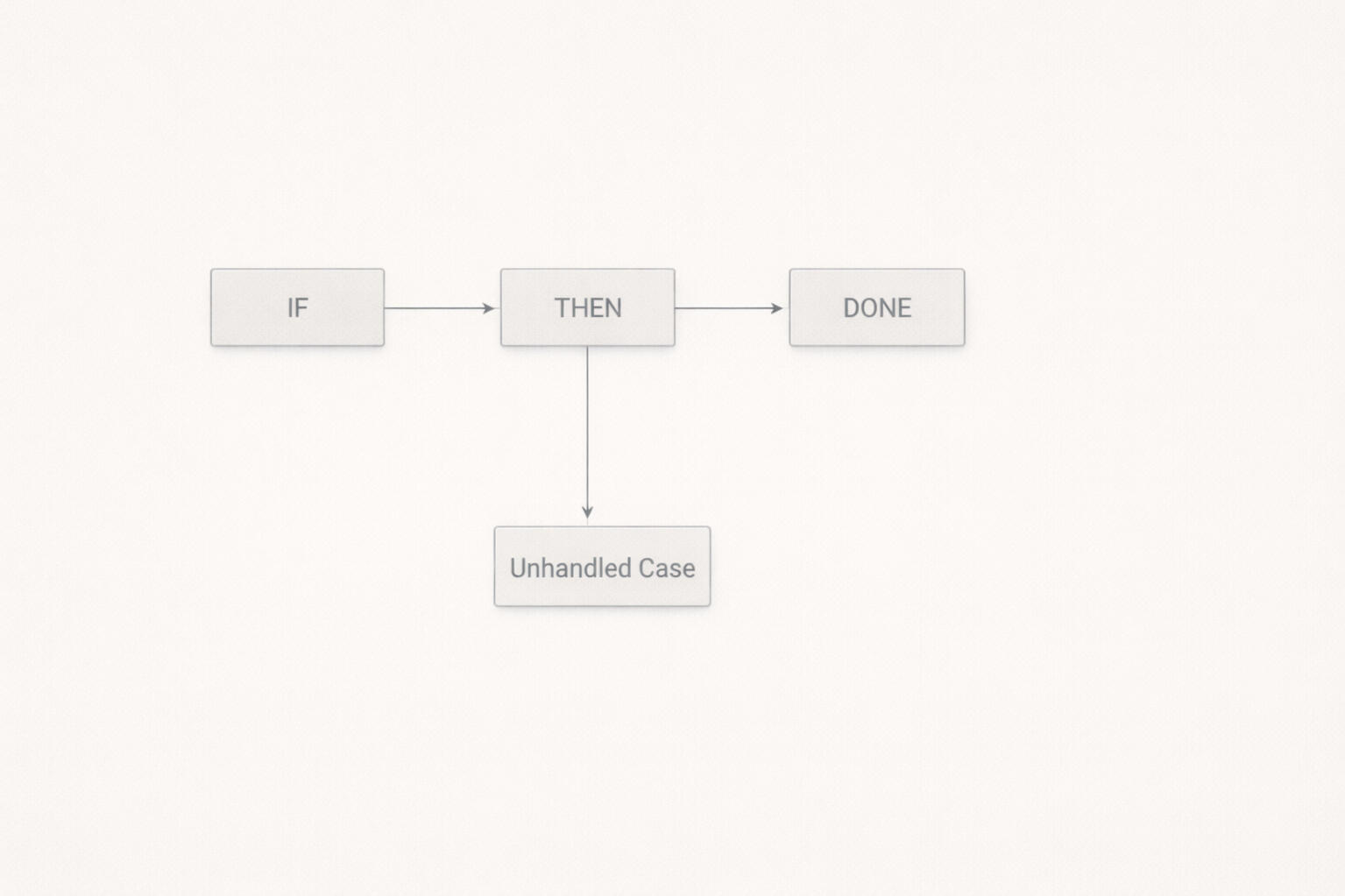
Workflows became automated.
Tasks ran on schedules.Everything worked —
until the situation changed.Why this era matters:
It revealed that rigid automation breaks in real life.
2013-2016
2017-2019
AI Gets a Name
Predictions Appear
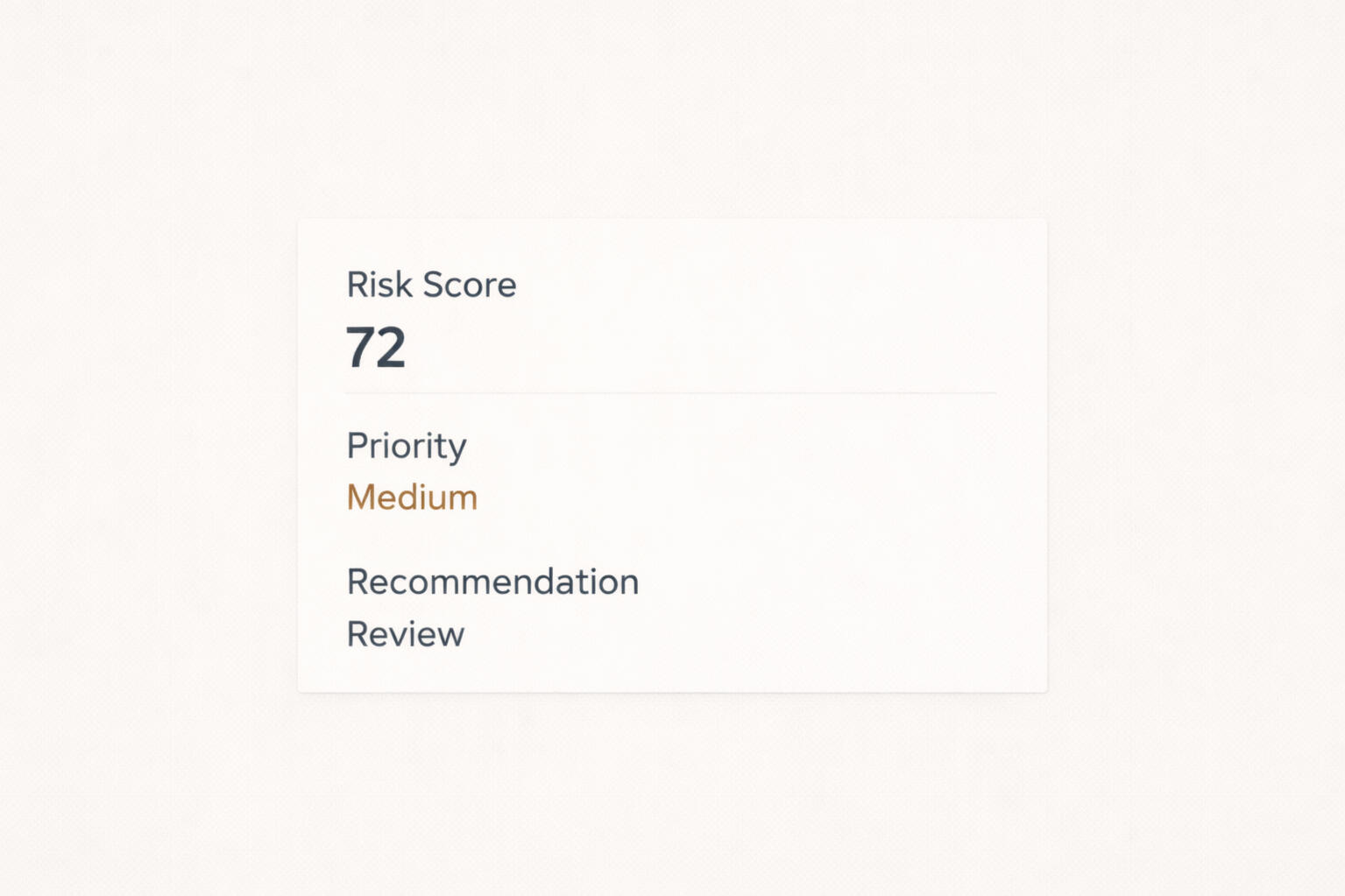
Software started scoring, ranking, and predicting.
“Risk levels.” “Recommendations.”Most people didn’t know how it decided.Why this era matters:
Intelligence arrived before trust did.
2017-2019
2020-2021
Pressure Test
Reality Interferes
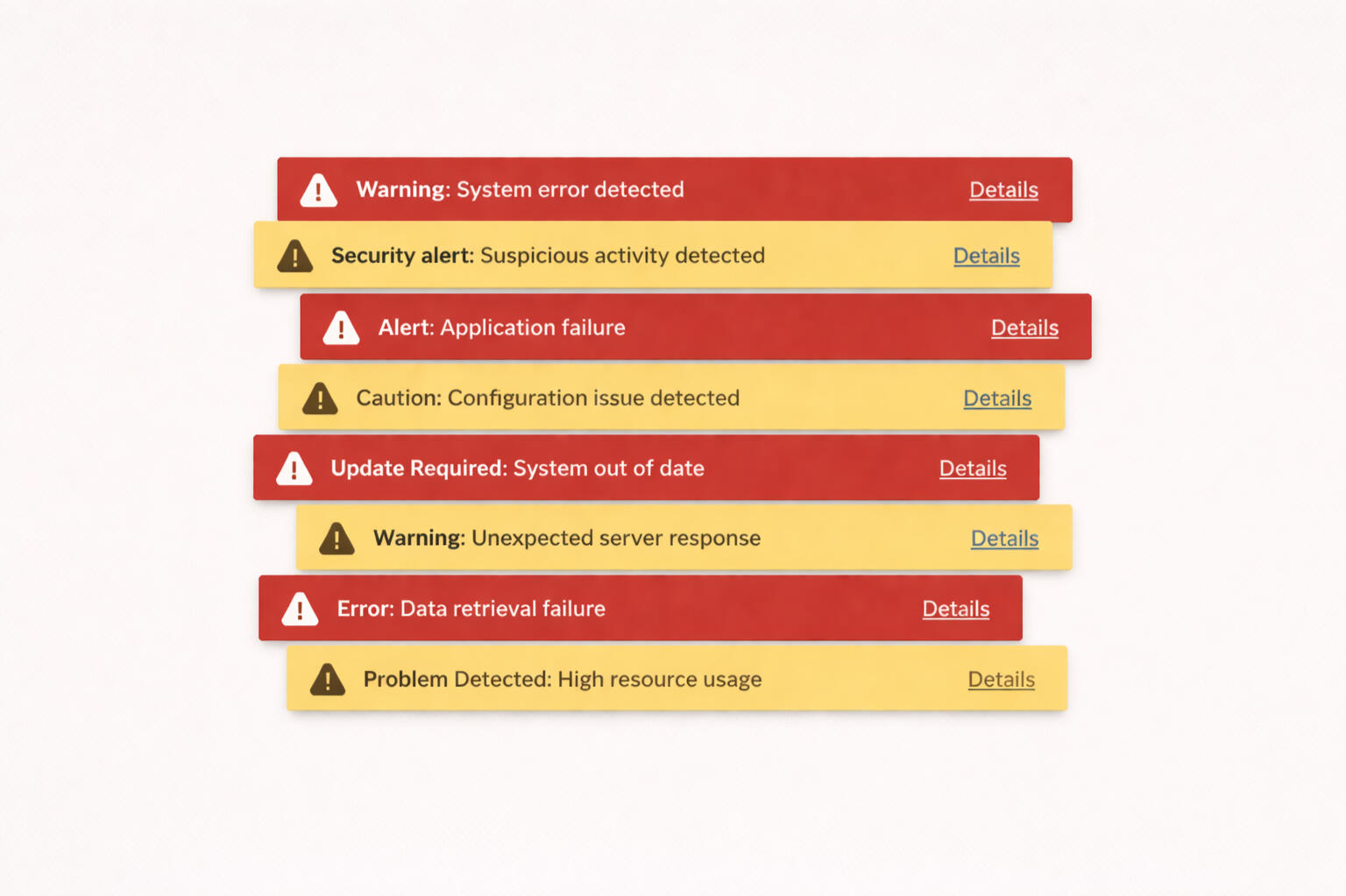
Sudden change confused models.
Automation behaved unpredictably.
Alerts piled up.People stopped trusting the outputs.Why this era matters:
It showed that AI fails fast when the world changes.
2020-2021
2022-2023
Useful AI
Help, Not Control
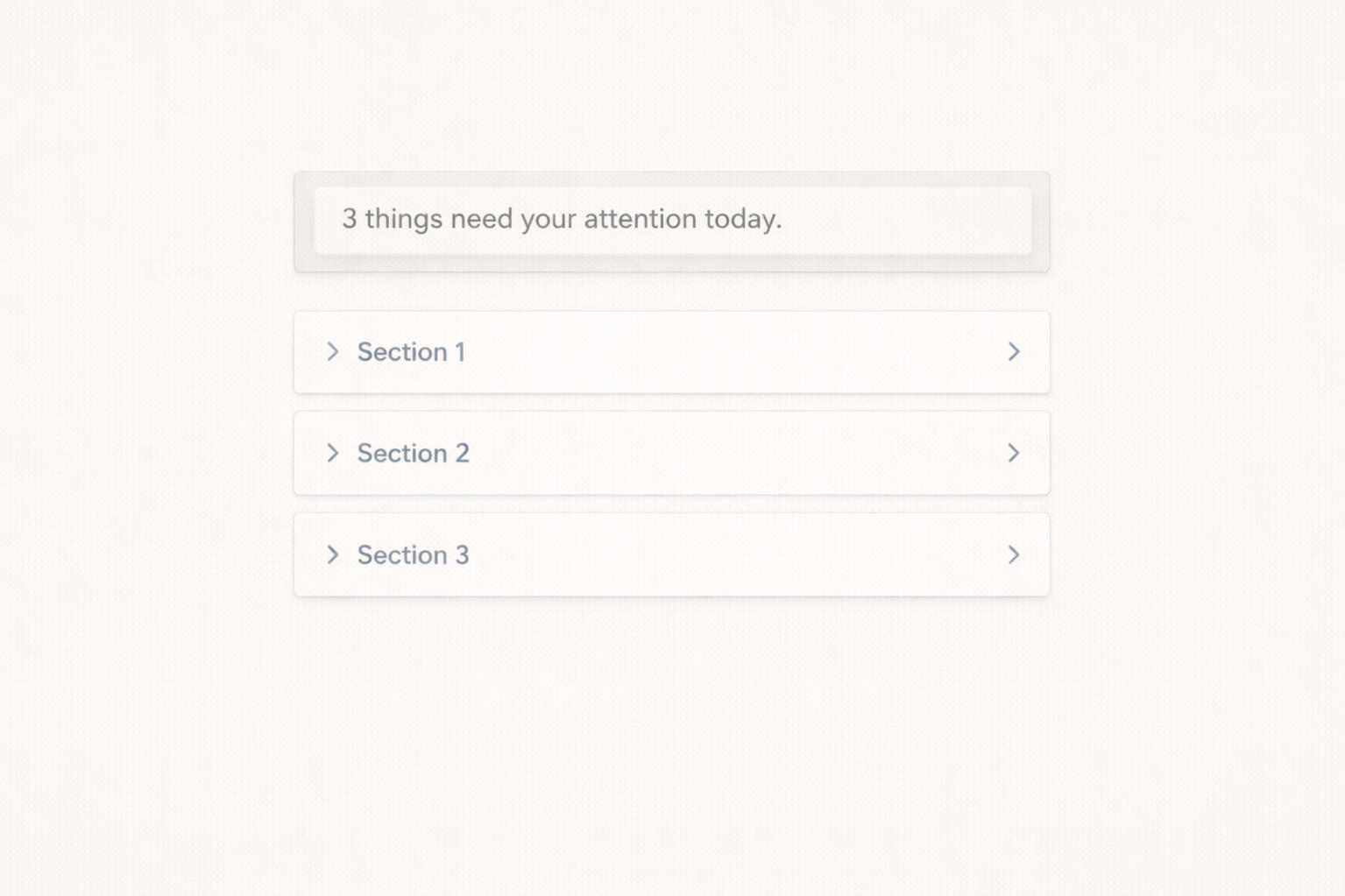
AI summarized emails and reports.
It highlighted what mattered.People stayed responsible for decisions.Why this era matters:
AI worked best when it reduced mental load.
2022-2023
2024-2025
AI With Limits
Clear Boundaries
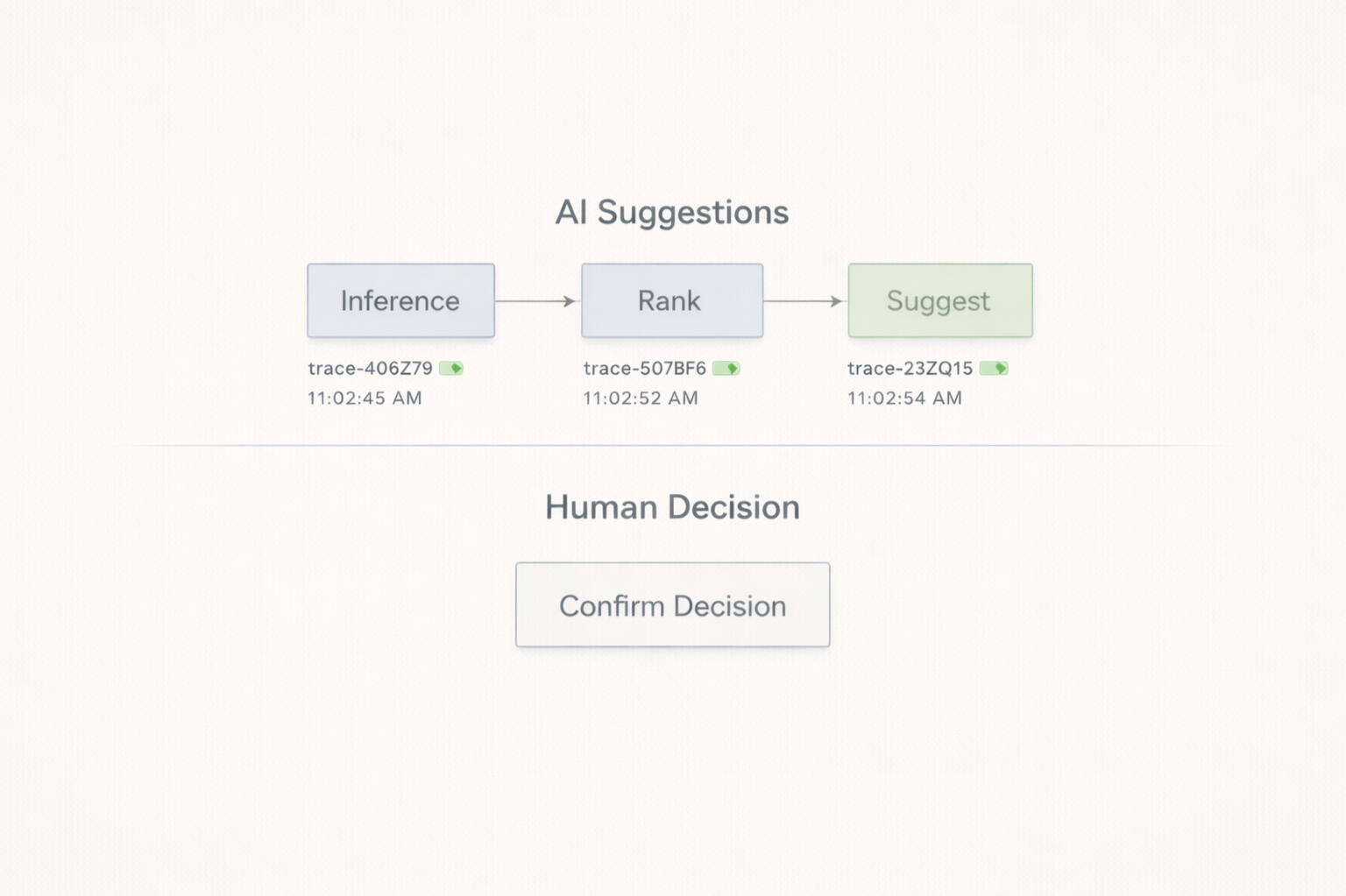
AI was allowed to assist — not act alone.
Logs existed. Decisions were traceable.Trust started to return.Why this era matters:
Limits made intelligence safer and more reliable.
2024-2025
2026
Sovereign AI
Boring and Reliable
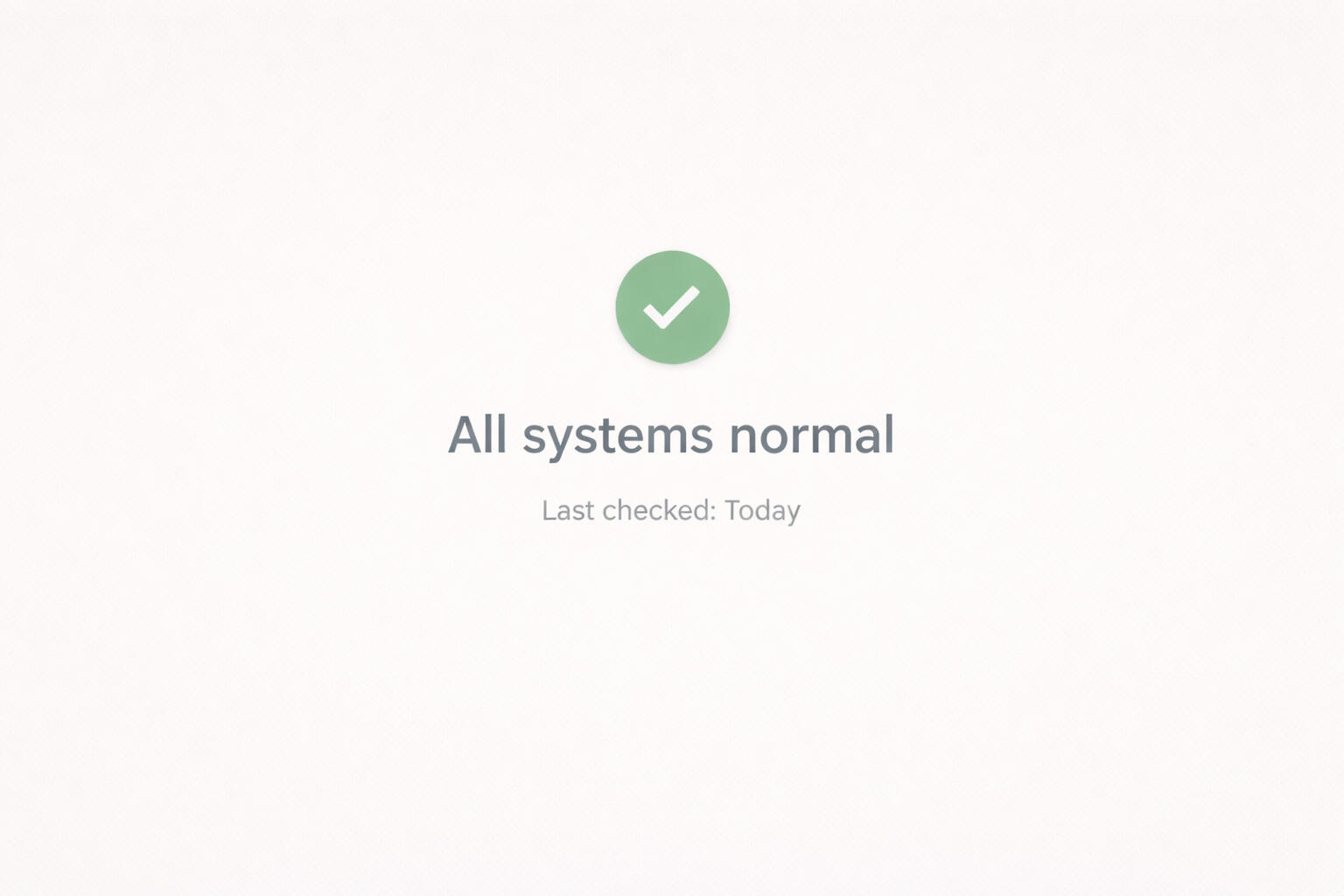
AI runs inside systems you own.
Data stays put.
Automation handles routine work quietly.Most days, no one thinks about it.
That’s the point.Why this era matters:
Real AI doesn’t impress — it just works.
Horizon
2015-2017
Function Under Pressure
Survival Interfaces
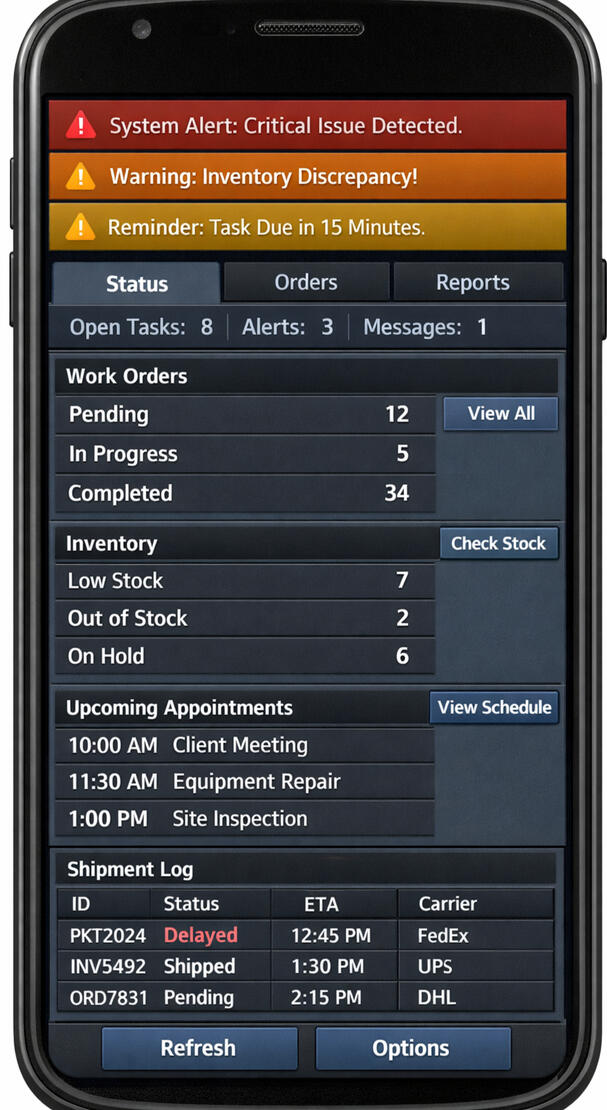
Most critical systems were built for trained staff working under stress.
Interfaces were dense, text-heavy, and unforgiving. Speed mattered more than comfort.These systems worked—but only if the human could keep up.Why this era matters:
Demonstrated that reliability alone isn’t enough when people are exhausted or overwhelmed.
2015-2017
2018-2019
Tools Without Cohesion
Fragmented Digitization
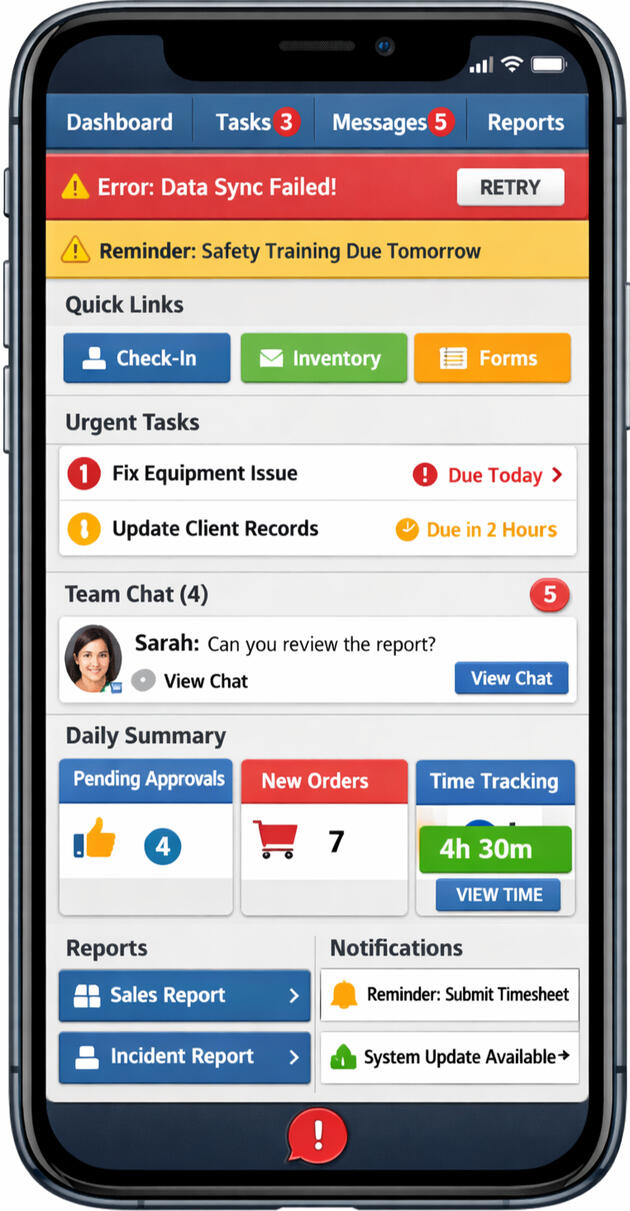
Organizations rapidly adopted new software to improve efficiency.
Instead, many ended up with disconnected tools, duplicate data, and constant alerts.Nothing fully failed—but everything became harder to manage.Why this era matters:
Revealed that adding technology without coordination increases mental load.
2018-2019
2020
When Systems Break
Pressure Test
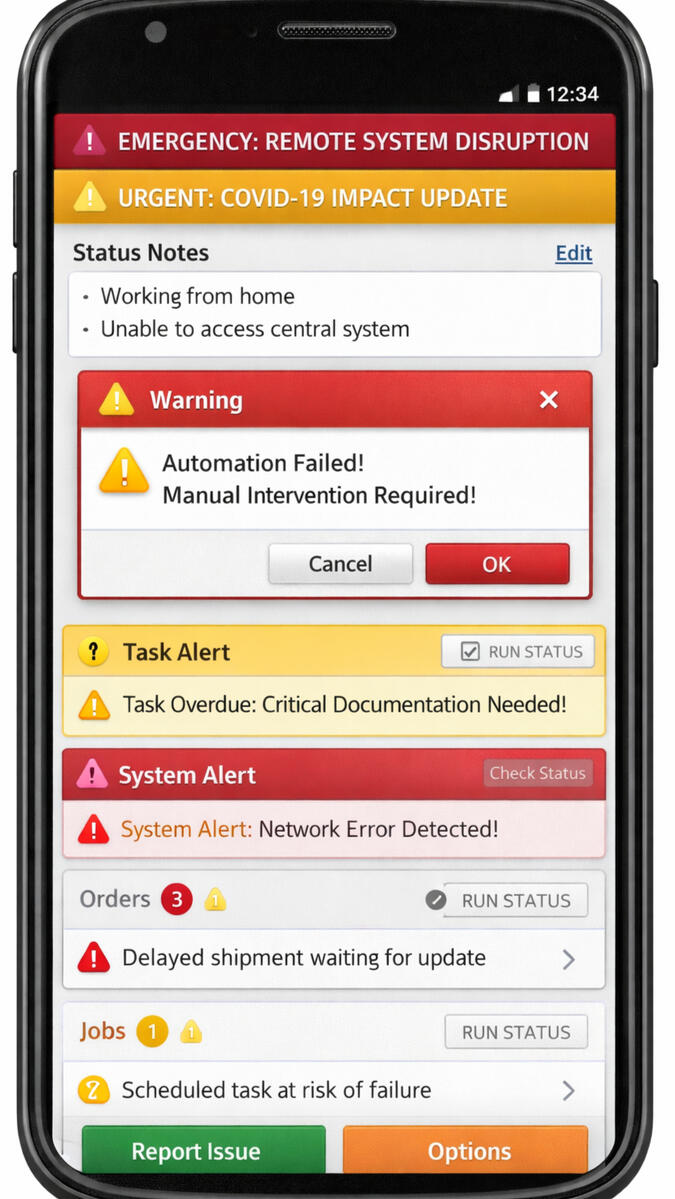
Workflows changed almost overnight.
Systems built for stable conditions were pushed into emergency use.Automation behaved unpredictably.
Information lacked context.
Decision-making became stressful.Why this era matters:
It proved that systems designed only for normal conditions fail precisely when they are most needed.
2020
2021-2022
Calm Becomes a Requirement
Intentional Simplification
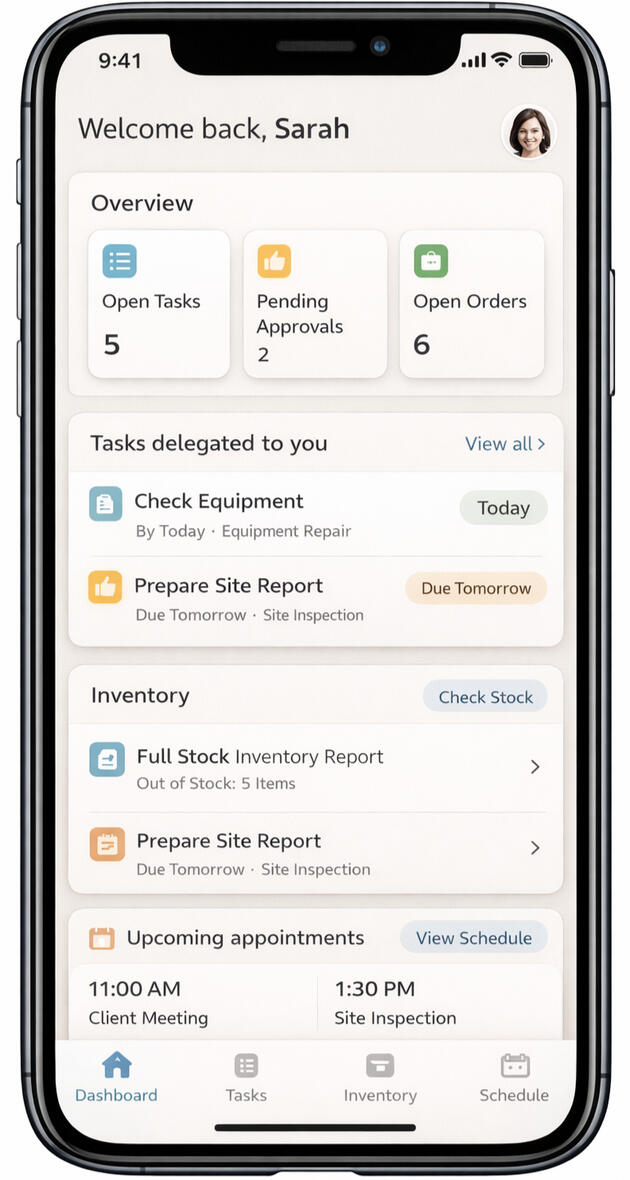
Burnout became impossible to ignore.
Design started focusing on reducing cognitive strain, not just adding features.Interfaces became simpler.
Language became clearer.
Workflows became shorter.Why this era matters:
It showed that calm is not aesthetic — it is a prerequisite for accuracy, safety, and trust.
2021-2022
2023-2024
Thinking Without Overreach
Intelligence With Restraint
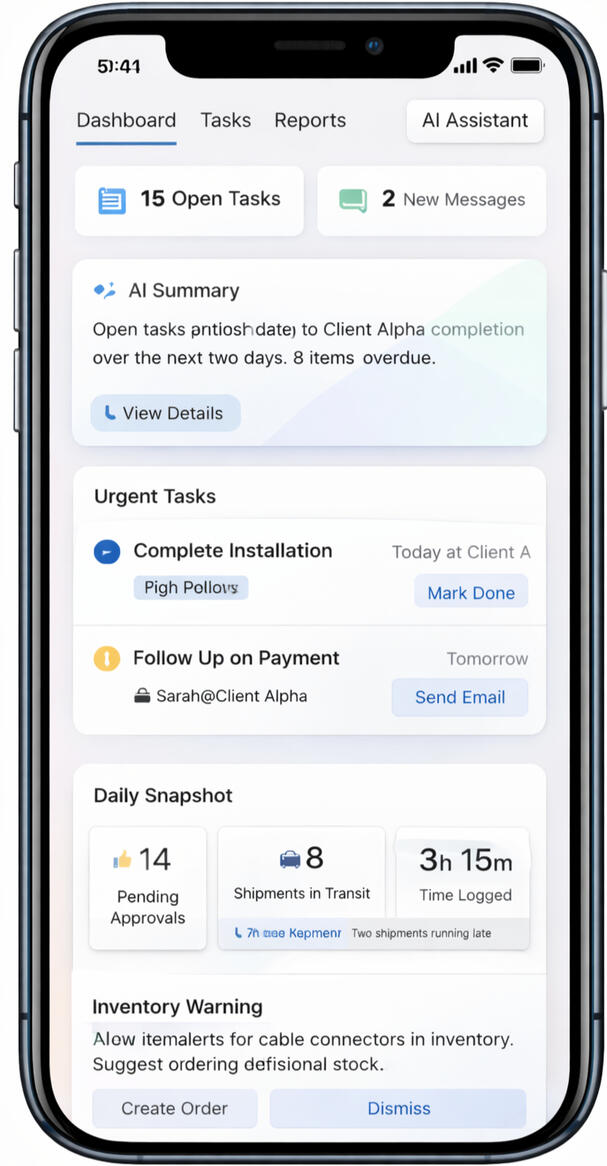
AI became widely accessible, but so did concern about misuse.
Organizations wanted help—not loss of control.Successful systems used AI to summarize, highlight, and assist—without replacing judgment.Why this era matters:
It established that intelligence without boundaries erodes trust faster than it creates value.
2023-2024
2025
Capability, Experienced
Keystone & Coherence
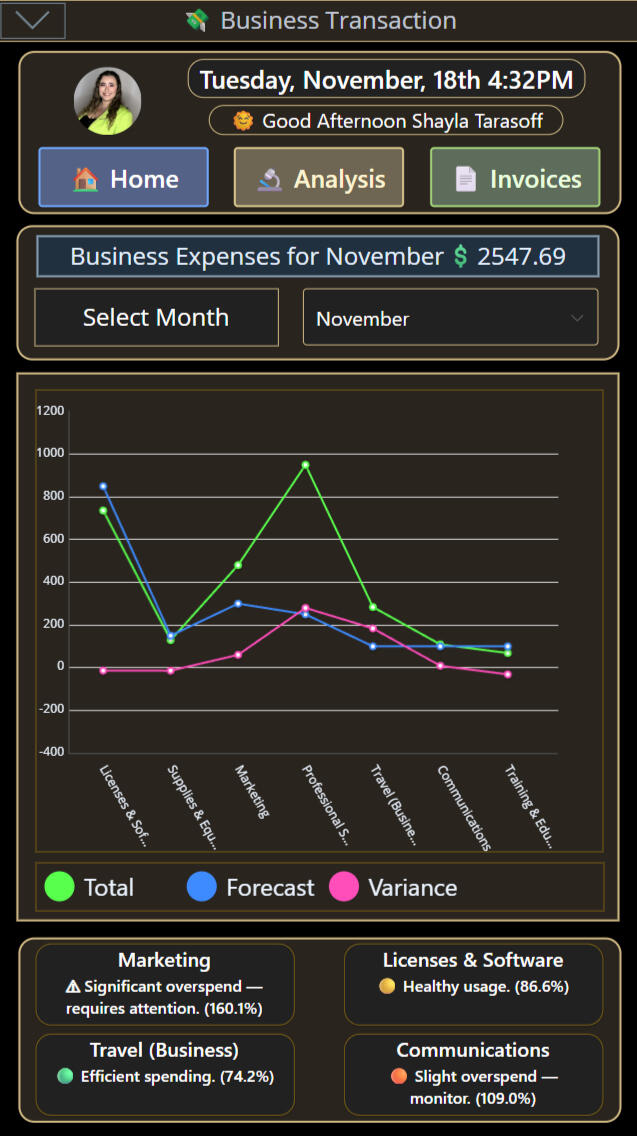
CortexForge treats experience as the primary interface.
Systems are visible, understandable, and stable
as they operate.Understanding comes from interaction.
Coherence keeps complexity in check.Why this era matters:
What users experience is what the system is.
2025
2026
Trust, Over Time
These systems were not designed for launch.
They were designed for years.
Horizon
2014–2016
Command Language
Compliance First
Language was written to control outcomes.
Short. Directive. Legal-heavy.
People were expected to “know the rules.”Understanding was assumed — not supported.Why this era matters:
Early digital systems inherited military, legal, and industrial language patterns.
2014–2016
2017–2019
Template Expansion
Standardized, Detached

Organizations scaled fast.
Scripts, templates, and approved phrases multiplied.
Language became consistent — but impersonal.Messages were correct, yet emotionally flat.Why this era matters:
Efficiency increased, trust quietly declined.
2017–2019
2020
Language Under Crisis
Tone Breakdown

COVID exposed language failures instantly.
Guidance changed daily.
Instructions conflicted.
Tone escalated stress instead of reducing it.People didn’t feel informed — they felt managed.Why this era matters:
This is when leaders realized language shapes nervous systems.
2020
2021–Mid 2022
Clarity Over Authority
Explaining, Not Ordering

Burnout became visible.
Language softened without losing precision.
Explanations replaced commands.Tone became a performance factor.Why this era matters:
Clear language began improving compliance, safety, and accuracy.
2021–Mid 2022
Late 2022–2023
AI Touches Language
Assistance, Not Voice Replacement

AI began drafting, summarizing, and highlighting.
The best systems stayed human-authored at the edges.Trust depended on restraint, not fluency.Why this era matters:
Organizations learned that who speaks still matters.
Late 2022–2023
2024–2025
Trauma-Informed Language
Meaning Preserved

Language became part of system design.
Neutral. Grounded. Non-coercive.
Written to reduce cognitive load — not impress.CortexForge embeds language that supports decision-making, not pressure.Why this era matters:
Language became infrastructure, not copy.
2024–2025
2026
Stewarded Language
Stable Over Time

Tone survives staff turnover.
Meaning remains intact years later.
Language evolves without erasing intent.Words stop drifting.
Horizon
2013–2015
Physical Presence
People as the System

Incidents were handled face-to-face.
Paper logs. Radios. Phone calls.
Knowledge lived in people’s heads.Systems worked — until people were unavailable.Why this era matters:
Reliability depended entirely on humans.
2013–2015
2016–2018
Digital Entry Begins
Forms Replace Paper

Online forms and databases appeared.
Reporting improved — response did not.Data arrived faster than decisions.Why this era matters:
Storage improved, coordination lagged.
2016–2018
2019
Tool Proliferation
Nothing Talks to Anything

Departments adopted specialized software.
Alerts multiplied.
Ownership blurred.Nothing failed — everything slowed.Why this era matters:
Fragmentation quietly increased cognitive load.
2019
2020
System Stress Test
Channels Collapse

Emergency conditions overwhelmed tools.
Phones rang endlessly.
Emails stacked.
Automation behaved unpredictably.This exposed that systems weren’t built for uncertainty.Why this era matters:
It revealed that systems optimized for normal operations fail when context changes suddenly.
2020
2021–Early 2022
Workflow Awareness
Routing Matters
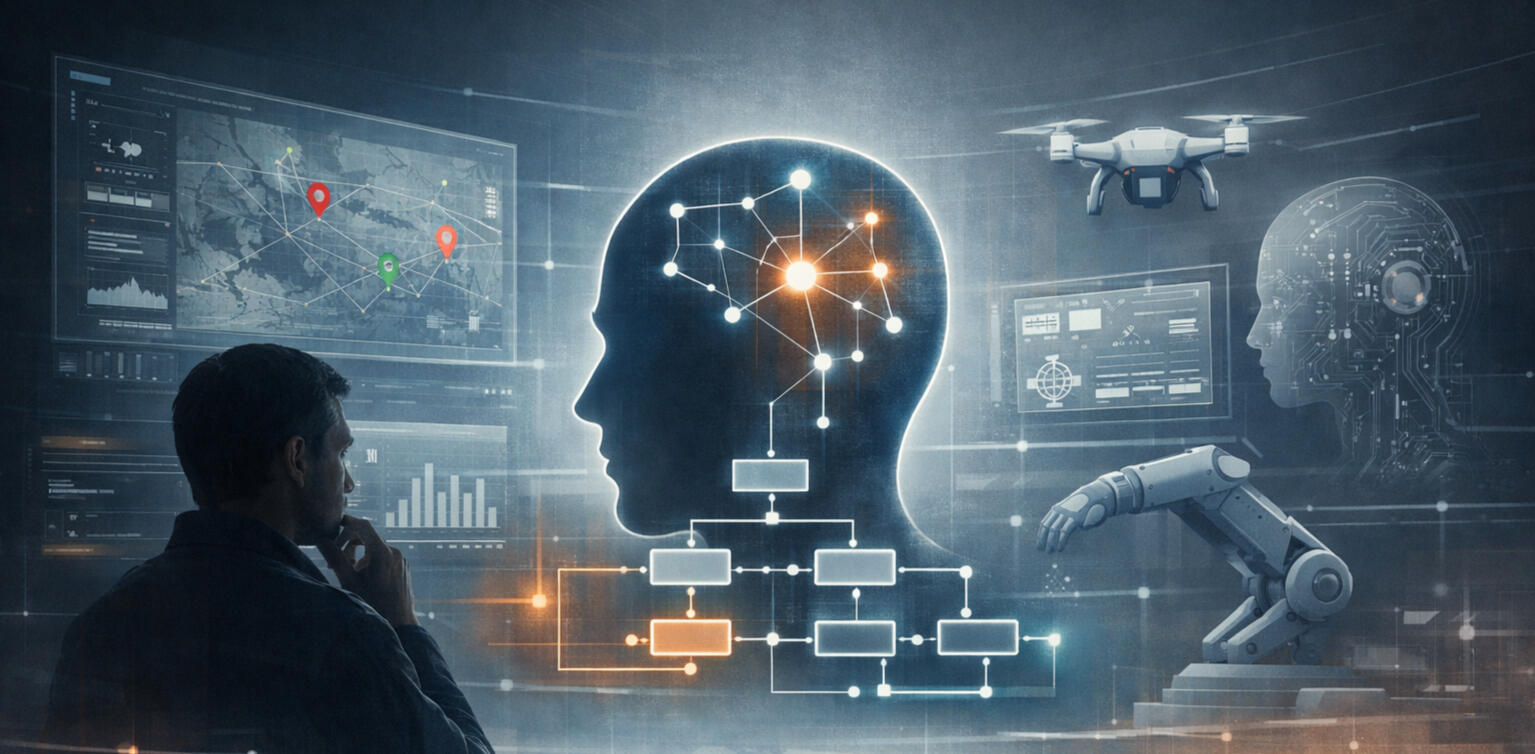
Organizations began mapping how work flows.
Escalation paths were defined.
Authority needed visibility.Systems started supporting decisions — not just records.Why this era matters:
It marked the shift from data collection to intentional coordination.
2021–Early 2022
Late 2022–2023
Assisted Operations
AI as Support
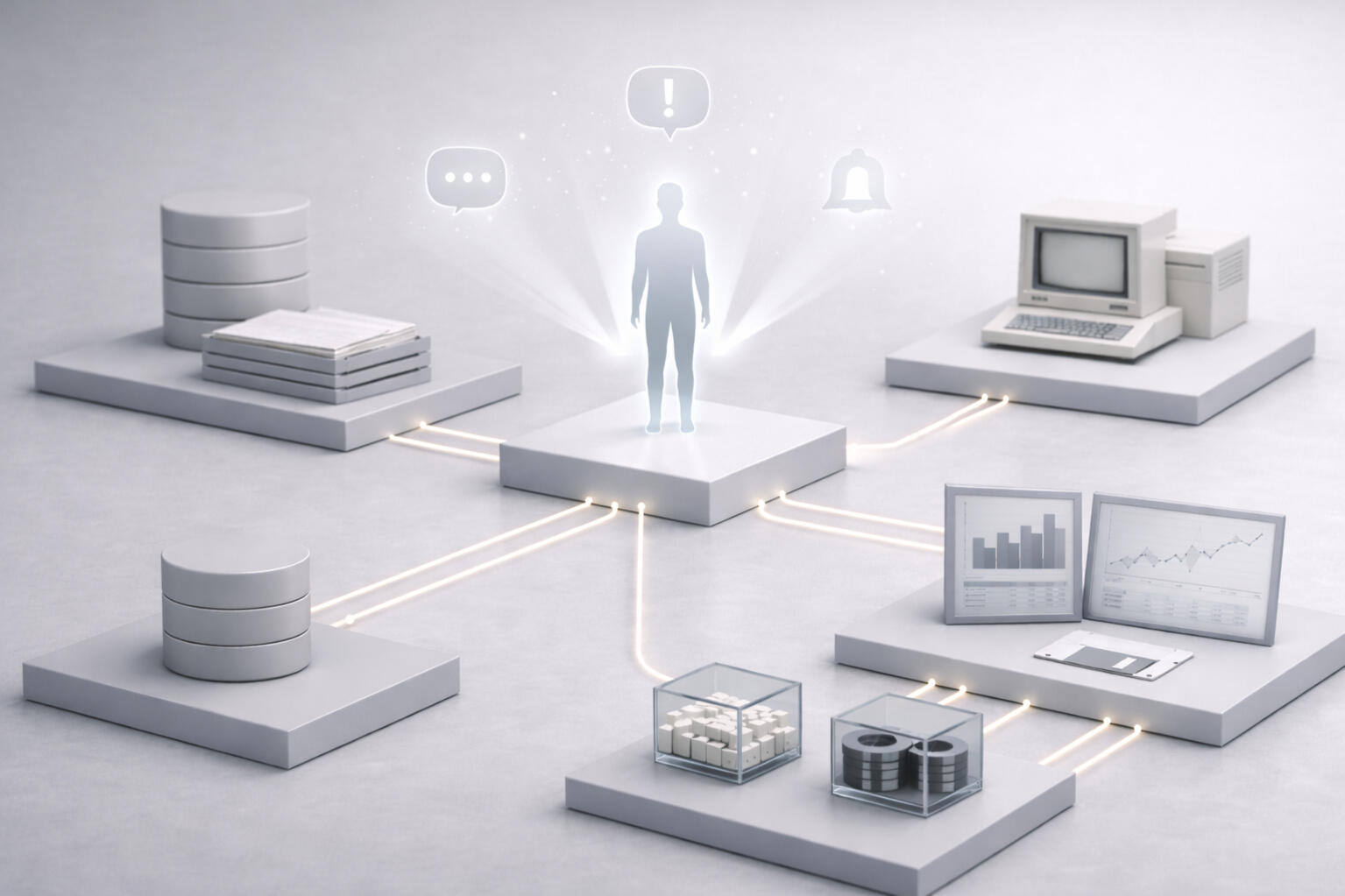
AI triaged, summarized, and flagged signals.
Humans still decided.The win wasn’t speed — it was focus.Why this era matters:
It proved AI adds value when it reduces noise, not when it replaces judgment.
Late 2022–2023
2024–2025
Coordinated Intelligence
CortexForge Systems
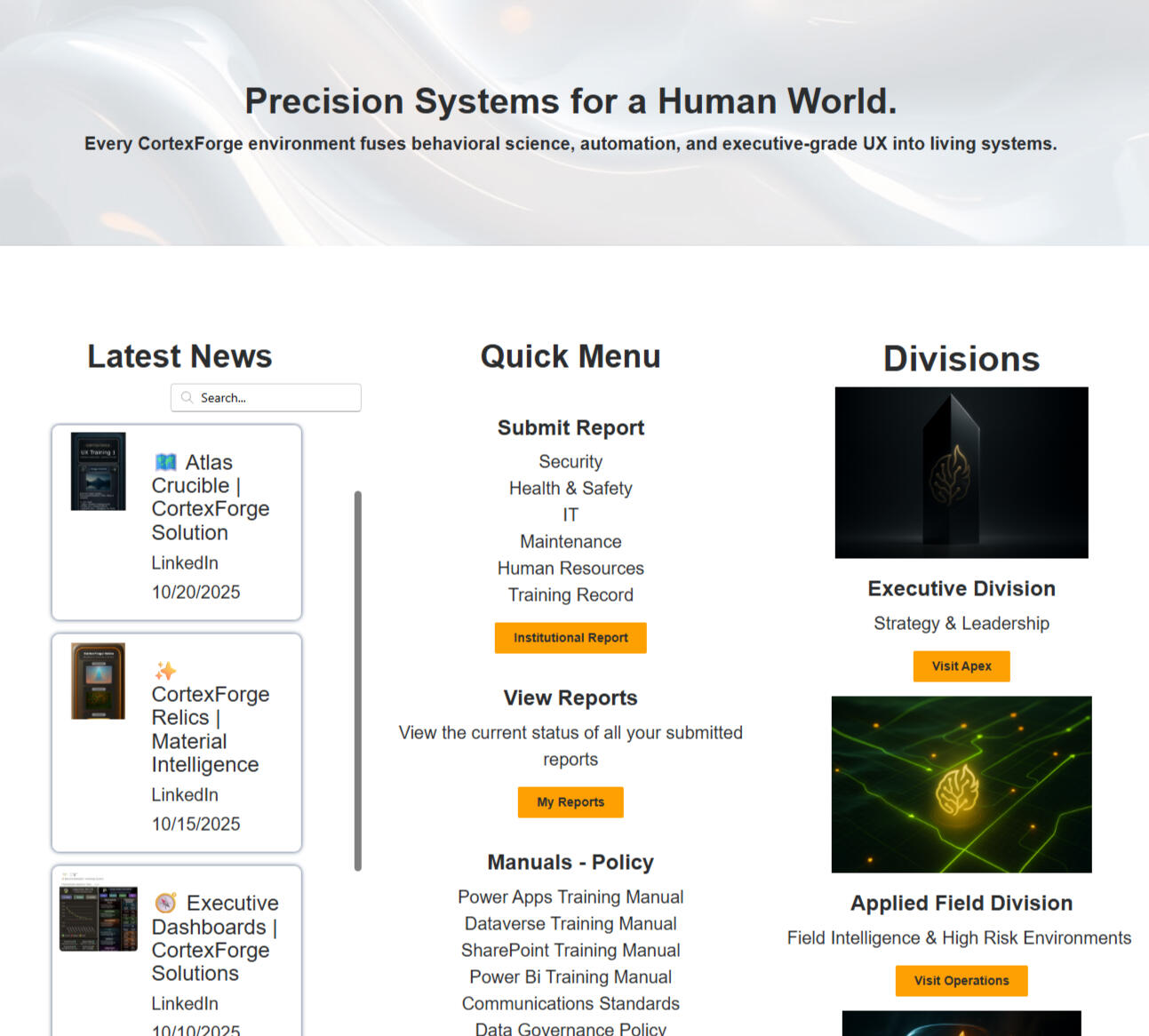
Signals route automatically with context intact.
Humans receive what matters — when it matters.
Escalation is intentional. Nothing surprises.Systems finally work with people.Why this era matters:
It demonstrates that intelligence becomes trustworthy when coordination is designed, not assumed.
2024–2025
2026
Trust Over Time
Systems That Mature
Processes evolve without disruption.
Historical data stays readable.
Automation remains calm, governed, and explainable.Systems age — without decay.
Horizon